

01
Anti-Drone Device
Function: Transmits on the 2.4 GHz / 5.8 GHz and GPS bands through directional or omnidirectional antennas to suppress the UAV and force it to land or return.
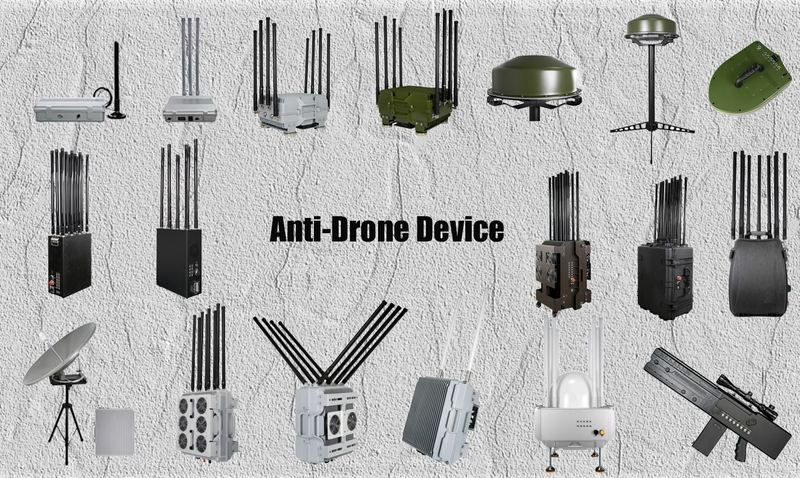
Function: Transmits on the 2.4 GHz / 5.8 GHz and GPS bands through directional or omnidirectional antennas to suppress the UAV and force it to land or return.
Function: Detects drones in the protected area — depending on the equipment fitted, it shows the number of drones, flight angle, brand and frequency band.

Function: One device with both functions: it detects and identifies the UAV, then interferes with it once the operator confirms the threat.

Function: Sends virtual positioning coordinates to the UAV and induces it to fly to a no-fly zone or to fixed coordinates.

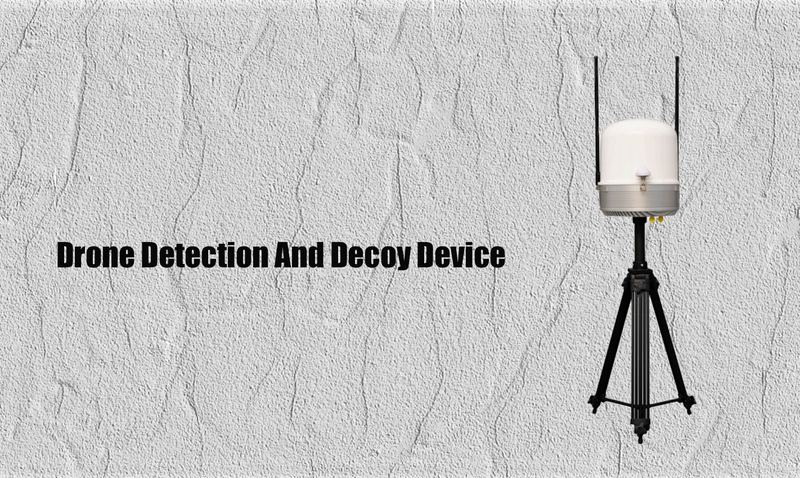
Function: Detects the UAV first, then induces it to fly to a no-fly zone or fixed coordinates — without broadband jamming.
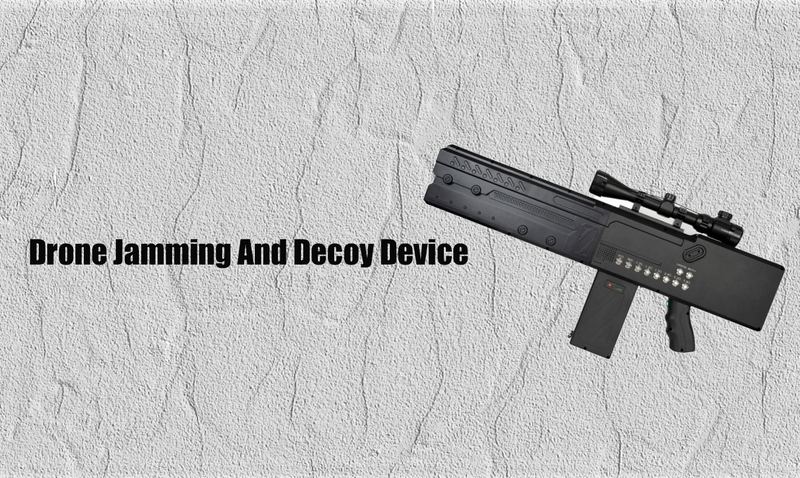
Function: Interferes with the UAV’s links and can also induce it to fly into a no-fly zone or to fixed coordinates.
Function: The full chain in one device: detect, interfere with and induce UAVs to fly to a no-fly zone or fixed coordinates.
Cover the bands commercial UAVs actually use — ISM 433/900 MHz, Wi-Fi 2.4/5.8 GHz and GPS L1/L2 — so the scheme addresses the control, video and navigation links a drone depends on.
Higher directionality gives a more accurate local effect; omnidirectional antennas defend against approaches from several directions at once. Match output power and antenna pattern to the site and the threat, not the other way round.
In most countries RF jammers are strictly regulated equipment and may only be used by military, police or specifically authorized personnel. Confirm your authorization and local rules before any deployment.
Combined with radar or visual identification, a supporting detection system avoids blind interference, improves jamming efficiency and reduces unintended effects on other spectrum users.
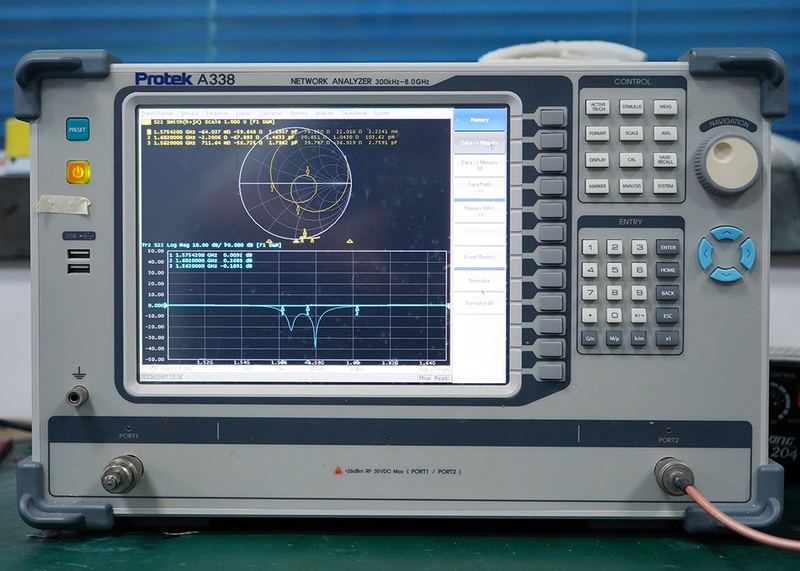
According to the actual use requirements and environment, the following matching schemes are recommended:

Choose a “handheld jammer” or “backpack jammer” — one operator, on site and working within minutes.

Deploy a “fixed omnidirectional” or “directional jammer” combined with a monitoring system for round-the-clock coverage of one site.

For military and critical-facility environments, build the full detection, jamming and spoofing chain into one coordinated scheme.